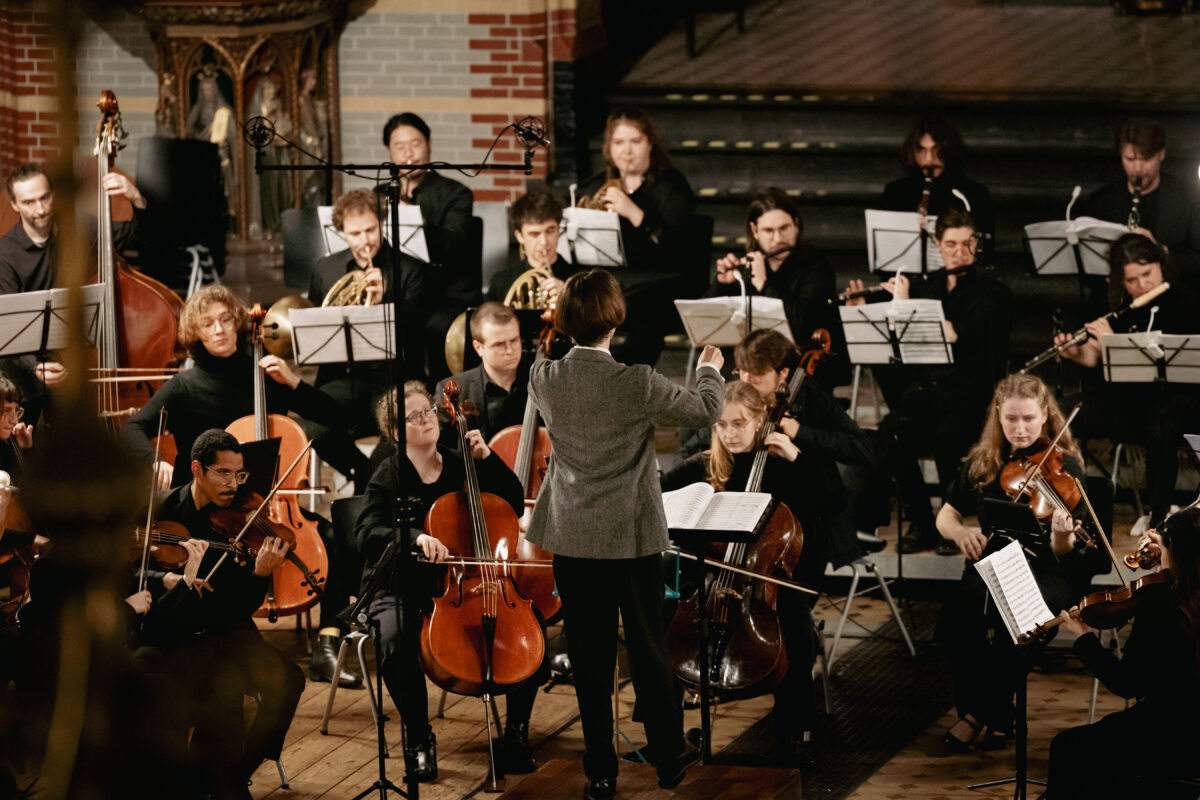
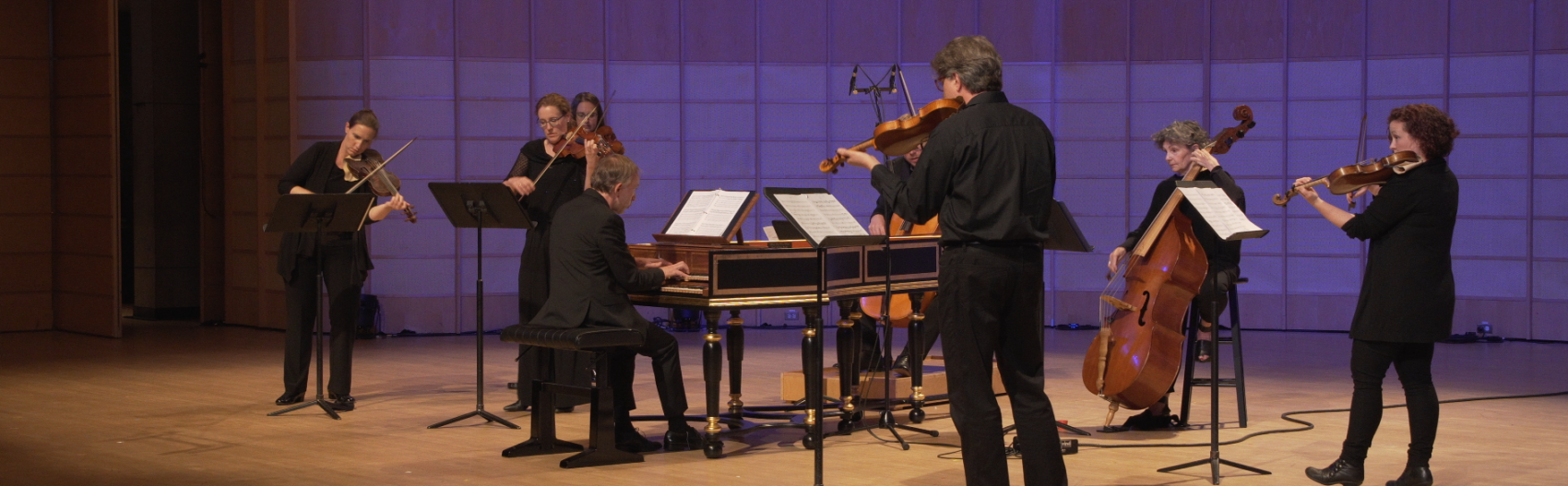
Alexander Weimann | Sponsored by Bruce Munro Wright, O.B.C., Music Director and Harpsichord; Chloe Meyers | Sponsored by Jill Bodkin, Violin 1; Christi Meyers, Violin 2; Mieka Michaux, Viola 1; Joanna Hood, Viola 2; Diederik van Dijk, Cello; Natalie Mackie, Violone; Christina Hutten, Harpsichord and Portativ Organ
Enjoy the opening concert of EMV’s 51st season with the Pacific Baroque Orchestra performing ravishing dance suites. German composers Dietrich Becker, Johann Caspar Ferdinand Fischer, and Georg Muffat combine the French and Italian musical styles of the day, balancing simplicity and grace with daring harmony and unbridled virtuosity.
Access to the concert is free, but donations are greatly appreciated.
This concert is generously supported by Bryan & Gail Atkins and The Drance Family – in loving memory of Stephen and Betty Drance


How to watch
ONLINE: Watch the concert online by clicking here.
This concert is available to watch for free thanks to the generosity of donors. To support our programming by making a tax-deductible donation, click here.
Concert will remain online one year from premiere date.
Programme
Dietrich Becker (1623-1679)
Sonata-Suite à 5, from “Musikalische Frühlings-Früchte”
Adagio-Allegro, Allmand, Courant, Sarband, Gique
Johann Caspar Ferdinand Fischer (c1656-1746)
Suite IV, from “Journal de Printemps”
Ouverture, Entrée, Rondeau, Gavotte, Menuet, Passacaille
Georg Muffat (1643-1704)
Sonata V, from “Armonico Tributo”
Allemanda Grave, Adagio, Fuga, Adagio, Passagaglia Grave
Programme Notes
In the late seventeenth century, pamphlet writers spilt much ink over the differences between the French and Italian styles of music. Proponents of French music praised its simplicity, balance, and grace; those who preferred Italian music enjoyed its harmonic daring, emphasis on contrast, and unbridled virtuosity. Many composers, particularly in Germany, sought to unite the virtues of both. This practice muddied genre boundaries, as instrumental pieces in Italy usually received the generic title sonata (meaning simply “to be played”), or else concerto. Most instrumental music in France, by contrast, consisted of strings of dances titled suites. At times, Germans, under the influence of both cultures, seemed at a loss for particularly what to call their pieces. Georg Muffat, for instance, titled two sets of his pieces “Florilegia”, or bouquets. He comments in the first set of these that “music and flowers both languish in shade and cold, but with light and warmth, they flourish.” He likened the variety of rhythms of the French dances, mixed with Italianate movements, to a bouquet with its many colors and shapes of flowers.
Muffat was hardly the only composer to liken his works to flowers, fruits, or other elements one might find in a vibrant still life painting. Dietrich Becker published his Musikalische Frühlings-Früchte (“Musical fruits of Spring”) in 1668 in Hamburg, where he held the position of Kapellmeister. In a testament to the mixed musical styles and conflated terminology mentioned above, Becker referred to the piece on this programme as Sonata-Suite à 5. The piece begins in the Italianate style, with loosely imitative textures and some rapid passages interspersed. What follows is the typical order of the suite: Allemande-Courante-Sarabande-Gigue. Just like a bouquet, it incorporates flowers/dances transplanted from many different countries (Germany-France-Spain-England, respectively). All of these dances, particularly the Allemande and the Courante, waned in popularity throughout the 17th century, ceasing to be danced but becoming progressively more stylized musical abstractions that retained the rhythmic character of the once-popular dances.
Johann Caspar Ferdinand Fischer’s Suite No. 4 from his “Journal de Printemps” (“Journal of Spring”) does not follow the ordinary order of dances in the traditional suite of Becker and in fact includes many more modern ones. Fischer’s employer was Louis-William, Margrave of Baden, to whom Louis XIV was godfather. The preference for the latest French fashions at that court is therefore of no surprise. It was common practice in France—and therefore in courts under French influence—either to compose suites of popular dances or to assemble bits and pieces from operas into self-contained works simply to be enjoyed for their musical pleasure, not necessarily to be danced, but rather to be enjoyed as chamber music.
Though the work by Muffat on this programme does not hail from one of his collections likened to collections of flowers or fruits, his ability to combine the fruits of the laborers of French and Italian musicians cannot be ignored. His “Armonico Tributo”, or Tribute to Harmony, assimilates all of the grace of the French style and the gravity of the Italian style of the period. The Passacaglia in particular blends both the stately nature of the Chaconne (the Passacaglia’s French sister dance), while at times embracing the wild Italian variations on the nature of the Passacaglia itself. In fact, this dance bears a repeating chord structure that provides constant scaffolding for endlessly exuberant elaboration of the thematic material.
Notes by Justin Henderlight

Alexander Weimann | Sponsored by Bruce Munro Wright, O.B.C., Music Director and Harpsichord
The internationally renowned keyboard artist Alexander Weimann has spent his life enveloped by the therapeutic power and beauty of making music. Alex grew up in Munich. At age three he became fascinated by the intense magic of the church organ. He started piano at six, formal organ lessons at 12 and harpsichord at university (along with theatre theory, medieval Latin and jazz piano.) He is in huge demand as a director, soloist and chamber player, traveling the world with leading North American and European ensembles. He is Artistic Director of the Pacific Baroque Orchestra in Vancouver and teaches at the University of British Columbia where he directs the Baroque Orchestra Mentorship Programme.
Alex has appeared on more than 100 recordings, including the Juno-award-winning album “Prima Donna” with Karina Gauvin and Arion Baroque orchestra. His latest album series “The Art of Improvisation” (Volume 1: A Prayer for Peace; Volume 2: Ad libitum; and Volume 3: Canavian Variations, released on Redshift, 2024) unites his passions for both baroque music and improvisation on organ, harpsichord, and piano.
Chloe Meyers | Sponsored by Jill Bodkin, Violin 1
Violinist Chloe Meyers performs with early music ensembles across North America as leader, orchestra member, and chamber musician. She is the concertmaster of the Pacific Baroque Orchestra in Vancouver and co-concertmaster of Arion Baroque Orchestra in Montreal. She has led or appeared as soloist with groups including the Victoria Baroque Players, Pacific MusicWorks, Ensemble Les Boréades, the Theatre of Early Music, Ensemble Masques, and Les Voix Baroques, of which she was a founding member. She has had the pleasure of sharing the stage with international violin stars, performing double concerti with Stefano Montanari, Enrico Onofri, Amandine Beyer, and Cecilia Bernardini. Chloe’s playing may be heard on many award-winning disks, including the 2022 Juno award winning recording “Solfeggio”… in which she leads the orchestra L’Harmonie des Saisons as concertmaster. In 2023 she was nominated as Best Musical Director for her work in Pergolesi’s Stabat Mater with the Edmonton Opera.
Alongside Chloe’s passion for performance and directing, is her love of teaching. As adjunct professor at the University of British Columbia, she trains young artists in the Baroque Orchestra Mentorship Program, chamber music and solo lessons. She has years of teaching children, university and students of all ages and levels! She is an active teacher in the summer Victoria Conservatory teaching programs, as well the UVic Collegium orchestral program.
Chloe lives in Ladner, BC, with her ever growing family and dog.
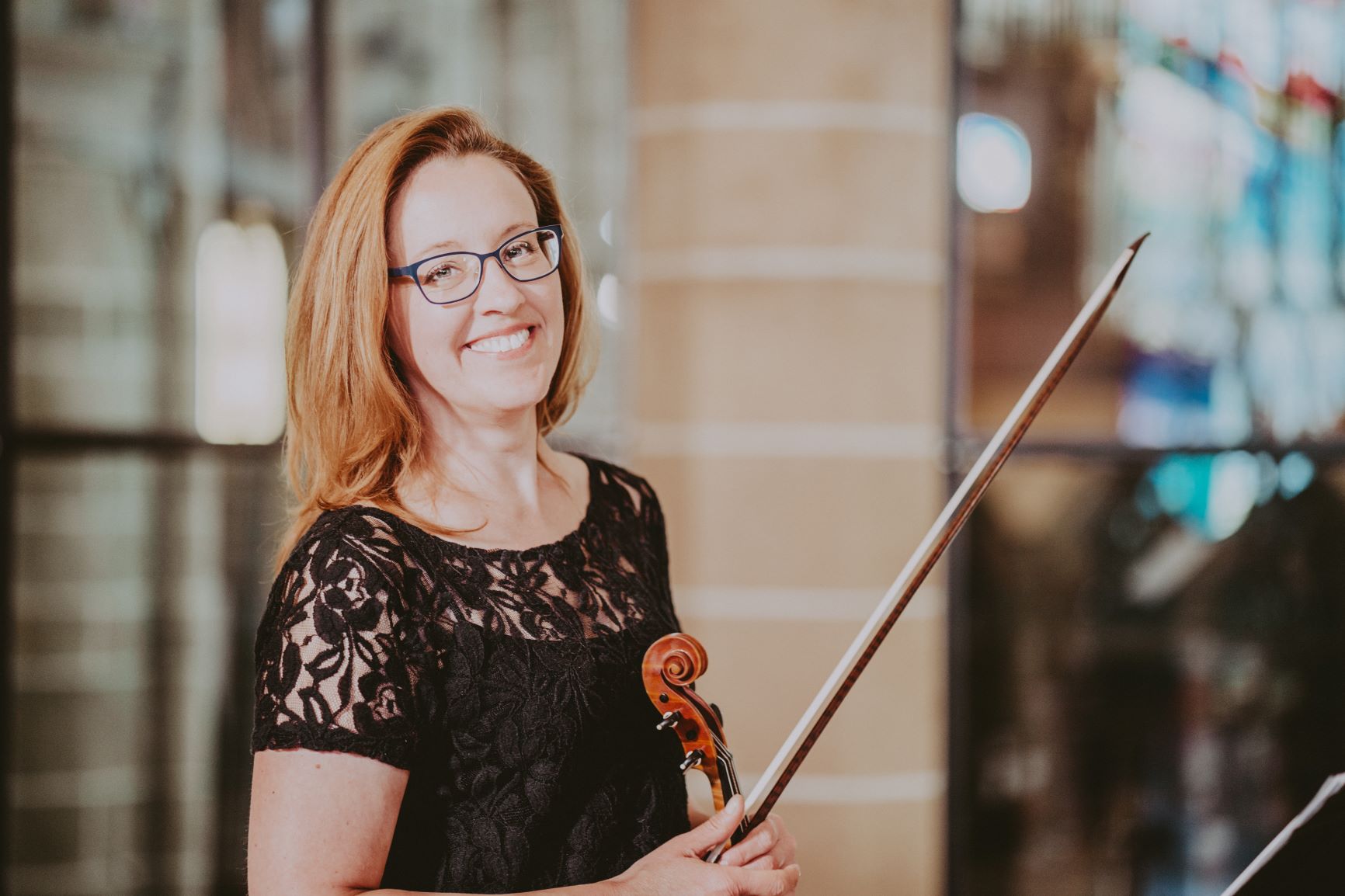
Christi Meyers, Violin 2
Christi Meyers has had a prominent role in the musical life of Victoria, BC for almost 15 years. Assistant Concertmaster of the Victoria Symphony since 2001, she has also been active playing in musical organizations locally such as the Galiano Ensemble, Odyssey String Quartet and away, for the Vancouver Symphony, Sinfonia Rotterdam (NL) and the European Camerata (UK).
She has also nurtured her love of baroque violin playing as a member of the Victoria Baroque Players, performing also with Pacific Baroque Orchestra and on numerous projects with Early Music Vancouver. As an educator, she coaches the violins of the Greater Victoria Youth Orchestra, maintains a small private studio, and was on the music faculty at the University of Victoria from 2005-10. Christi has recorded chamber music for both CBC radio and television and can be heard on baroque recordings for ATMA (QB) and Marquis (ON). Born in Montreal and raised in Grande Prairie, Alberta, she holds degrees from McGill, Western, and the Vancouver Academy of Music, where she studied with Gwen Thompson and Sonia Jelikova.
Mieka Michaux, Viola 1
Originally from Victoria, B.C. Mieka enjoys an active career as an orchestral and chamber musician performing on both modern and baroque viola and violin. She completed a Bachelor of Music degree in 1998 and, in 200, obtained a Master of Music at Rice University in Houston, Texas. She has studied and performed at the Music Academy of the West, the Banff Center for the Arts, Orford Center for the Arts and the National Youth Orchestra of Canada. Currently, Mieka is a member of the Victoria Symphony and since 2010 she regularly performs with the Pacific Baroque Orchestra. She is also a founding member of the Victoria Baroque Players.
In 2006, along with three colleagues from the Victoria Symphony, she co-founded the Emily Carr String Quartet. The quartet’s debut CD Hidden Treasure was nominated for Classical Recording of the Year by the Western Canadian Music Awards.
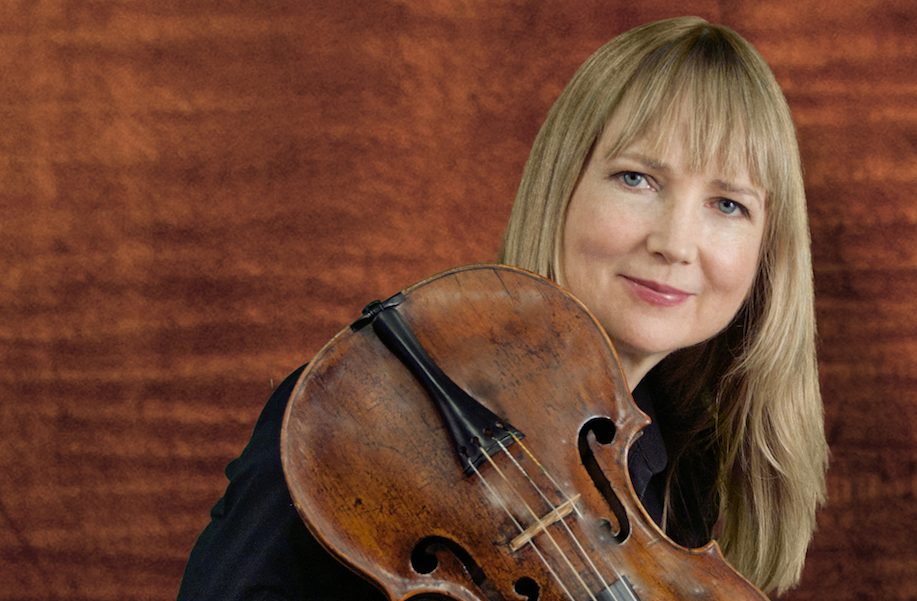
Joanna Hood, Viola 2
Violist, Joanna is an avid chamber music player both in modern and period styles, and has a passion for the music of our time. She is a member of the Lafayette String Quartet, formed in 1986 and based in Victoria BC. She is a founding member of the historically informed performance groups, The Loma Mar Quartet, founded in 1997 and the DNA Quintet formed in 2008, both based in New York. With these two groups she recorded two CDs of the newly discovered chamber works of Domenico Dragonetti. The first recording won the prestigious Classical Recording Foundation Award for 2009.
She is the principal violist with the Seattle Baroque Orchestra, and performs with the Pacific Baroque Orchestra and the Victoria Baroque Players, and has performed with Pacific MusicWorks, Oregon Bach Festival, and The Serenade Orchestra.
She is a founding member of the Victoria new music group, Ensemble Tsilumos, and is a co-organizer of the SALT New Music Festival and Symposium in Victoria BC.
Hood studied at the San Francisco Conservatory with Isadore Tinkleman, and at Indiana University, where she was an Associate Instructor with Abraham Skernick and baroque violinist Stanley Ritchie.
Joanna is an Artist-in-Residence with the Lafayette Quartet at the University of Victoria where she teaches viola and chamber music. She plays on a viola labeled Johan Samuel Fritsche, dated Leipzig, 1805, and a viola by Edmond Aireton, 1754.
Joanna has recorded for the EMI, Tzadik, Dorian, CBC, Adler, and Verve labels.
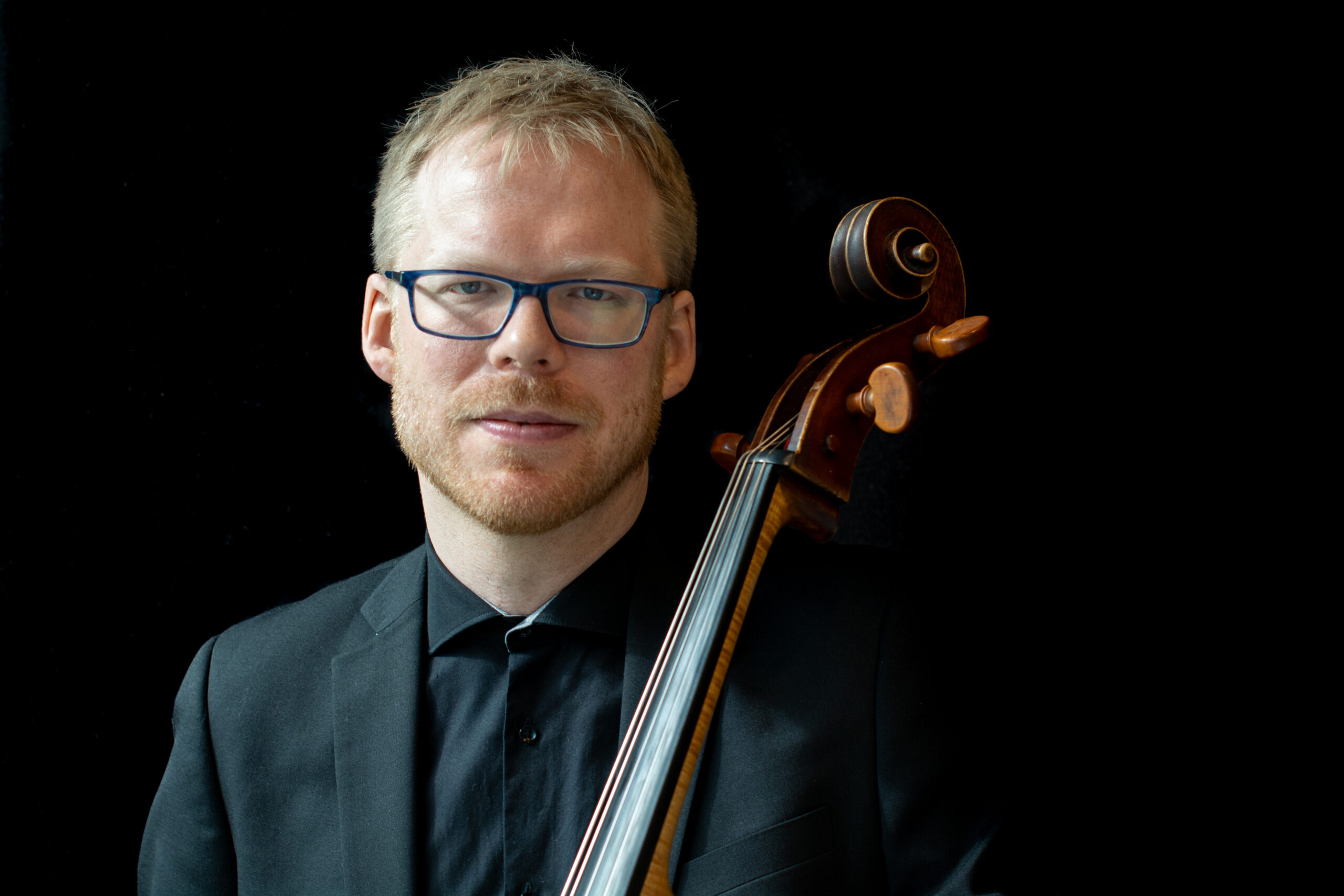
Diederik van Dijk, Cello
Diederik van Dijk is a Dutch-Canadian cellist with a broad range of musical activities and interests who is equally at home on the Baroque and the modern cello. With a practice spanning four centuries of music history and crossing over into various genres, he divides his time mostly between chamber music and orchestral playing. His musical adventures have taken him from the Amsterdam Concertgebouw to outdoor stages in Newfoundland; from performing internationally at major Early
Music festivals to recording in Abbey Road Studios.
Diederik studied cello with Ian Hampton, Eric Wilson, and Marc Destrubé, and Baroque cello with Viola de Hoog, acquiring in the process a Bachelor of Arts from the University of British Columbia and a Bachelor of Historical Instruments from the Utrecht Conservatory. He is a core member of Combattimento and Trio da Fusignano and for years also of the Van Swieten Society, and inter-arts ensemble Dark by Five. Frequently engaged as principal cellist with the Nieuwe Philharmonie
Utrecht and the Pacific Baroque Orchestra, in recent years Diederik has also performed with the Orchestra of the 18th Century, Amsterdam Baroque Orchestra, the Metropole Orkest, Insomnio, and in the productions of Holland Opera. Every day he is grateful to be able to share the joys of music making with his colleagues, his students and audiences alike.
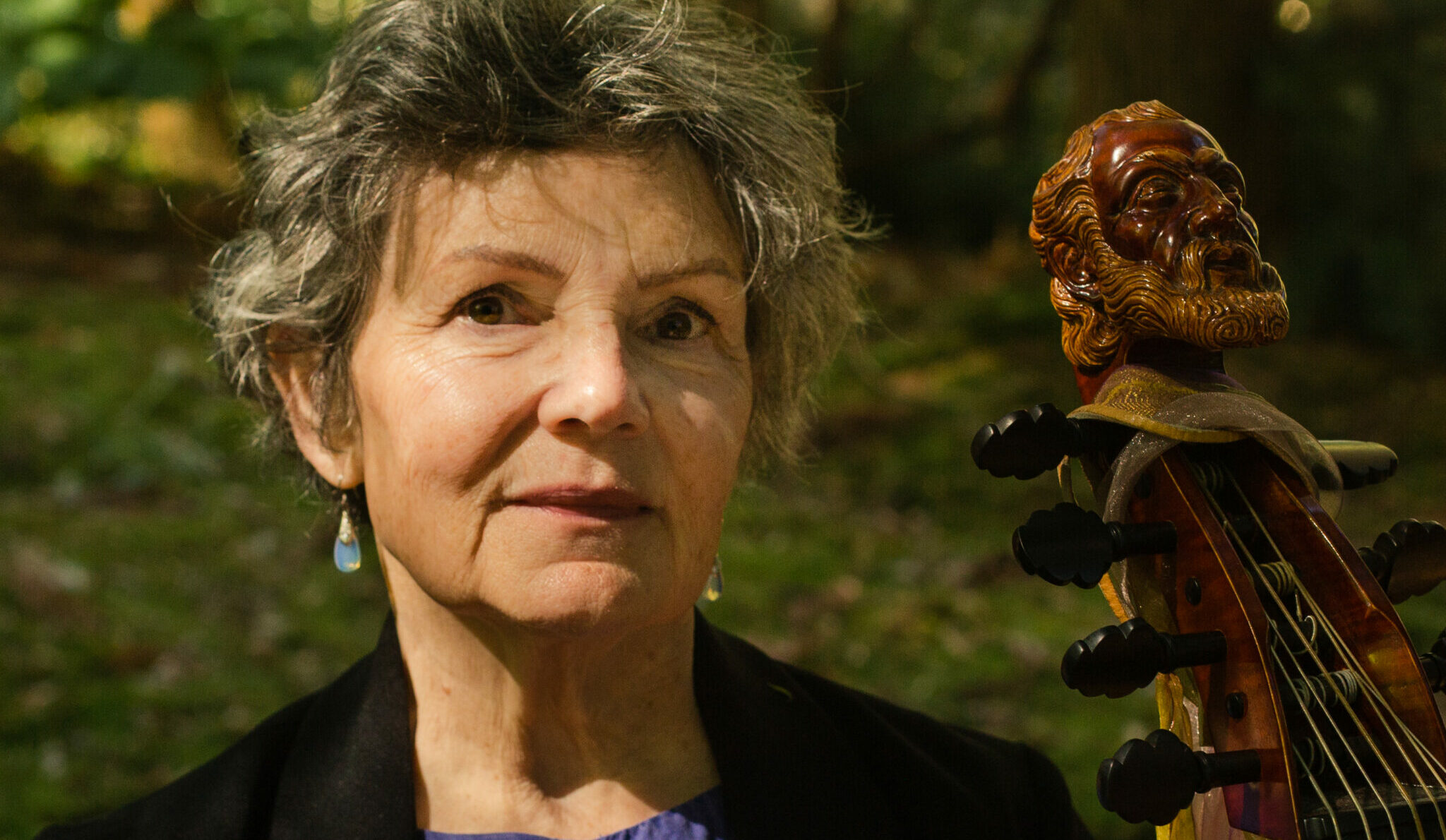
Natalie Mackie, Violone
Natalie Mackie studied cello at the Conservatoire de Musique (Québec), followed by a degree from the School of Music, University of British Columbia. While at UBC she was introduced to the viola da gamba, and following graduation, she pursued further studies at the Koninklijk Conservatorium in The Hague. Natalie has played with many ensembles in Canada and the US, including New World Consort, Les Coucous Bénévoles, Tafelmusik, Portland, and Seattle Baroque Orchestras, Les Voix Humaines, Tempo Rubato, Les Voix Baroque, Oregon Bach Festival Orchestra, Victoria Baroque, and Vancouver Intercultural Orchestra among others. Natalie is a member of Pacific Baroque Orchestra and the chamber ensemble “La Modestine”- both Vancouver-based ensembles. She has toured throughout Canada, Europe, and the US and recorded for Radio France, German Radio, BBC, CBC, and NPR, as well as the Canadian label Atma Classique. Natalie is a regular performer in the Pacific Baroque Festival, held annually in Victoria, BC, and teaches in the Baroque Orchestra Mentorship Program at the University of British Columbia.
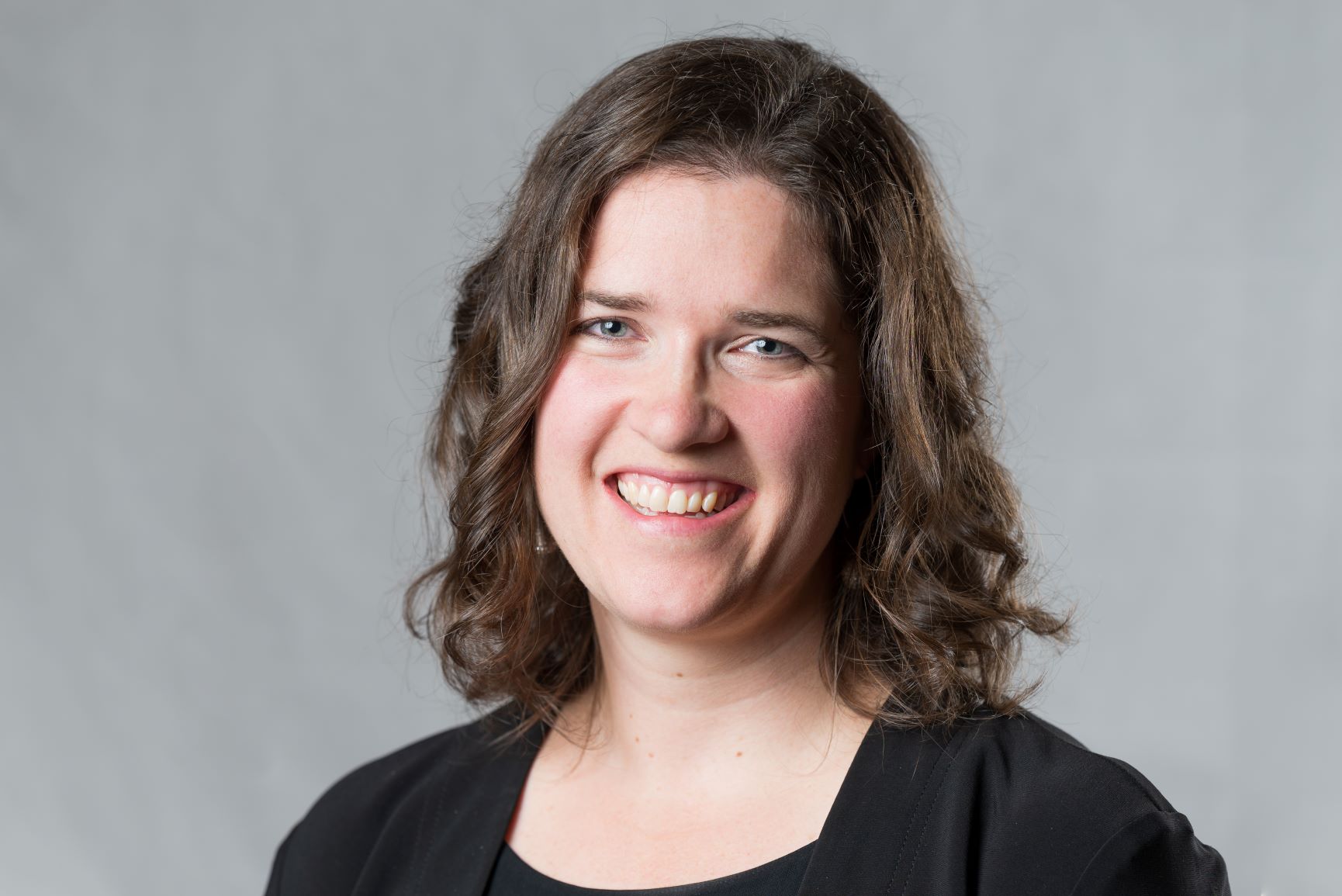
Christina Hutten, Harpsichord and Portativ Organ
Organist and harpsichordist Christina Hutten has presented recitals in Canada, the United States, and Europe. She performs regularly with Pacific Baroque Orchestra and has appeared as concerto soloist with the Okanagan Symphony, the Vancouver Academy of Music Symphony Orchestra, and the Arizona State University Chamber Orchestra. Christina is also an enthusiastic teacher. She coaches and coordinates the early music ensembles at the University of British Columbia and has given masterclasses and workshops at institutions including the Victoria Baroque Summer Program, Brandon University, the University of Manitoba, Wilfrid Laurier University, Canada’s National Music Centre in Calgary, and the Tafelmusik Baroque Summer Institute.
Funded by a generous grant from the Canada Council for the Arts, she pursued historical keyboard studies in Europe with Francesco Cera, François Espinasse, and Bernard Winsemius. She participated in the Britten-Pears Programme, led by Andreas Scholl and Tamar Halperin, for which she was awarded the Loewen Prize. Christina obtained a master’s degree in Organ Performance from Arizona State University under the direction of Kimberly Marshall and an Advanced Certificate in Harpsichord Performance from the University of Toronto, where she studied with Charlotte Nediger. She is now a doctoral candidate in musicology at UBC.